




















Turf Magazine Featured Stories
Earth Day: Join The Initiative To Reduce Plastic Plant Pots
An astounding 95-98% of plastic horticultural pots end up in landfills. The Healthy Pots, Healthy Plants initiative is trying to change that.
Glendale, CA Becomes Largest AGZA Green Zone® Municipality
Glendale, CA is now the nation's largest municipal AGZA Green Zone. The Certification is a structured program of education, training, certification, and data reporting to achieve cleaner, quieter, more sustainable landscape maintenance.
Protecting Landscapes From Destructive Iguanas
Invasive iguanas can wreak havoc on landscapes. Imagine deer that burrow and climb! Here are some deterrents.
Increase Your Business’s Online Leads
Generating online leads is the lifeblood of lawn or landscaping businesses that want to grow. Here are 13 action items for the digital age.
Sponsored Content
Scholarships Available Now For VIP Access To Luck Landscaping Academy!
Apply before April 30 to get a scholarship for VIP Access to Luck Landscaping Academy, Sun. May 12 to Sat. May 18! Get all the operation, sales and systems training you need to transform your landscape business and confidently sell $100,000 projects.
Unleash The Power Of Green
Find out how Sunday Lawn Care Products can give your business a boost this season.
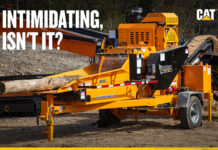
The Cat Powered Bandit Intimidator. Are You Intimidated?
The Cat® powered Bandit Intimidator™ is packed with compact power, so you can get to chipping with minimal downtime.
Turf Featured Videos
[VIDEO] Dickies®: Discover Workwear That’s Anything But Uniform
Looking for uniform solutions for your large team? An unmatched inventory and versatile looks are just a few reasons why companies trust Dickies®.
[VIDEO] Adapt. Innovate. Grow. Husqvarna for Professionals.
The future of landscaping and turf care is exciting. Professionals need commercial tools from a brand with a proven track record. For more than 330 years, Husqvarna has been an innovator, creating equipment that is powerful, reliable, and durable.
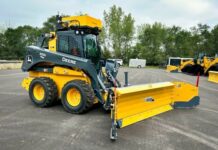
Remote-Operated, Autonomous Industrial Snow Plow Hits The Market
Teleo and Storm Equipment have introduced America’s only remote-operated and autonomous industrial snow plow.
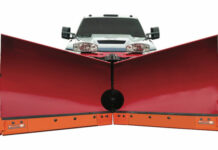
Proposed Tax Break For Government Snow Removal Equipment In CA
California Senate Bill 546 proposes an exemption from the state sales and use tax for public entities purchasing dedicated snow removal vehicles.


Husqvarna Launches New Game-Changing Innovation In Chainsaws
The new T542i XP® and 542i XP® chainsaws from Husqvarna feature game changing features and benefits for tree and landscape professionals.

Final Bloom Of Beloved “Stumpy” Cherry Tree Is National News
Stumpy, a scraggly cherry tree who became beloved as a symbol of resilience during the pandemic, is marking its last Spring. Seawall rehabilitation of the Tidal Basin in Washington, D.C. will require its removal in May.

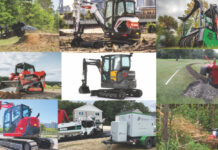
Get Equipped: Design-Build Equipment
From trenchers to compact track loaders and excavators, this assortment of design-build equipment will help your professional lawn care and landscaping services team get the job done.
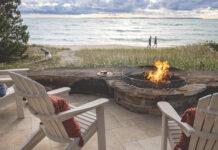
Lakeside Landscape Project: Manitou Watch
Twin Bay Landscaping designs dunegrasses, a boardwalk, and cozy gathering spaces to honor the lake life.
Products

Turf April 2024 Issue
With a focus on the Living Landscape, the Turf April 2024 issue features permaculture yards, natural pools, battery equipment, and green roofs. Plus, how to increase online leads.

Landscape Forms & Industrial Facility Introduce The Plains & Pods™ System
As fully-fledged product systems, both Plains & Pods from Landscape Forms individually provide multi-functionality, but together their impact is magnified.



Services

Protective Insurance Rebrands To Progressive Fleet & Specialty Programs
Progressive Insurance® is rebranding its large fleet commercial line (CL) coverage, formerly known as Protective Insurance, to Progressive Fleet & Specialty Programs.

Timberline’s Holiday Lighting Service Pays In More Ways Than One
Timberline Landscaping's holiday lighting service not only earns revenue and keep employees working, it builds community relationships with a Christmas Lights Guide on their website.
Turf Magazine

Increase Your Business’s Online Leads
Generating online leads is the lifeblood of lawn or landscaping businesses that want to grow. Here are 13 action items for the digital age.

Earth Day: Join The Initiative To Reduce Plastic Plant Pots
An astounding 95-98% of plastic horticultural pots end up in landfills. The Healthy Pots, Healthy Plants initiative is trying to change that.

Glendale, CA Becomes Largest AGZA Green Zone® Municipality
Glendale, CA is now the nation's largest municipal AGZA Green Zone. The Certification is a structured program of education, training, certification, and data reporting to achieve cleaner, quieter, more sustainable landscape maintenance.

Protecting Landscapes From Destructive Iguanas
Invasive iguanas can wreak havoc on landscapes. Imagine deer that burrow and climb! Here are some deterrents.
Increase Your Business’s Online Leads
Generating online leads is the lifeblood of lawn or landscaping businesses that want to grow. Here are 13 action items for the digital age.
Fairway Expands In Central Florida
Fairway has recently expanded their lawn care and pest control operation in Central Florida to include Dr. Jack's.