

















Turf Magazine Featured Stories
Arbor Day: Canopy Report Reveals America’s Favorite Tree & More
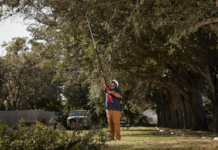
On this Arbor Day 2024, did you know that If trees could talk, Americans would want them to sound like Morgan Freeman? This and more serious statistics can be found in the "The Canopy Report," a new consumer report on how America sees trees by The Arbor Day Foundation.
Neonic Alternatives For Grubs
With neonicotinoids increasingly under fire, do you have a backup plan for grub control?
STIHL Increases Share Of Battery Tools Sold By 4%
STIHL increased the share of sales from battery-operated tools by 4%. This and other news were announced at the 2024 annual financial press conference held yesterday.
The Kress Commercial Platform Is Now AGZA Certified
The full suite of Kress 60V handheld equipment and the Kress Commercial CyberSystem is now AGZA Field Tested Certified (AFTC).
Sponsored Content
Scholarships Available Now For VIP Access To Luck Landscaping Academy!
Apply before April 30 to get a scholarship for VIP Access to Luck Landscaping Academy, Sun. May 12 to Sat. May 18! Get all the operation, sales and systems training you need to transform your landscape business and confidently sell $100,000 projects.
Unleash The Power Of Green
Find out how Sunday Lawn Care Products can give your business a boost this season.
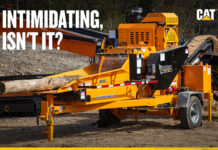
The Cat Powered Bandit Intimidator. Are You Intimidated?
The Cat® powered Bandit Intimidator™ is packed with compact power, so you can get to chipping with minimal downtime.
Turf Featured Videos
[VIDEO] Dickies®: Discover Workwear That’s Anything But Uniform
Looking for uniform solutions for your large team? An unmatched inventory and versatile looks are just a few reasons why companies trust Dickies®.
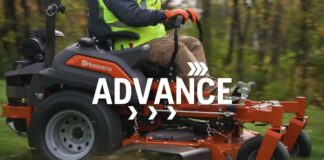
[VIDEO] Adapt. Innovate. Grow. Husqvarna for Professionals.
The future of landscaping and turf care is exciting. Professionals need commercial tools from a brand with a proven track record. For more than 330 years, Husqvarna has been an innovator, creating equipment that is powerful, reliable, and durable.
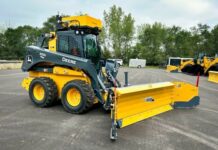
Remote-Operated, Autonomous Industrial Snow Plow Hits The Market
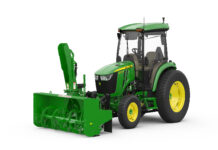
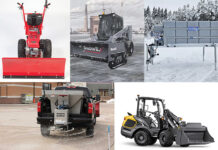
Teleo and Storm Equipment have introduced America’s only remote-operated and autonomous industrial snow plow.
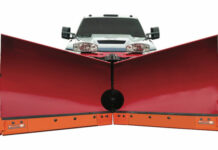
Proposed Tax Break For Government Snow Removal Equipment In CA
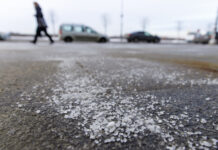
California Senate Bill 546 proposes an exemption from the state sales and use tax for public entities purchasing dedicated snow removal vehicles.


Arbor Day: Canopy Report Reveals America’s Favorite Tree & More
On this Arbor Day 2024, did you know that If trees could talk, Americans would want them to sound like Morgan Freeman? This and more serious statistics can be found in the "The Canopy Report," a new consumer report on how America sees trees by The Arbor Day Foundation.

Husqvarna Launches New Game-Changing Innovation In Chainsaws
The new T542i XP® and 542i XP® chainsaws from Husqvarna feature game changing features and benefits for tree and landscape professionals.

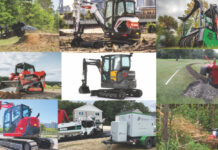
Get Equipped: Design-Build Equipment
From trenchers to compact track loaders and excavators, this assortment of design-build equipment will help your professional lawn care and landscaping services team get the job done.
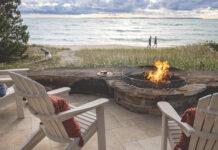
Lakeside Landscape Project: Manitou Watch
Twin Bay Landscaping designs dunegrasses, a boardwalk, and cozy gathering spaces to honor the lake life.
Products
STIHL Increases Share Of Battery Tools Sold By 4%
STIHL increased the share of sales from battery-operated tools by 4%. This and other news were announced at the 2024 annual financial press conference held yesterday.
The Kress Commercial Platform Is Now AGZA Certified
The full suite of Kress 60V handheld equipment and the Kress Commercial CyberSystem is now AGZA Field Tested Certified (AFTC).


Services

Protective Insurance Rebrands To Progressive Fleet & Specialty Programs
Progressive Insurance® is rebranding its large fleet commercial line (CL) coverage, formerly known as Protective Insurance, to Progressive Fleet & Specialty Programs.

Timberline’s Holiday Lighting Service Pays In More Ways Than One
Timberline Landscaping's holiday lighting service not only earns revenue and keep employees working, it builds community relationships with a Christmas Lights Guide on their website.
Turf Magazine

Neonic Alternatives For Grubs
With neonicotinoids increasingly under fire, do you have a backup plan for grub control?


Arbor Day: Canopy Report Reveals America’s Favorite Tree & More
On this Arbor Day 2024, did you know that If trees could talk, Americans would want them to sound like Morgan Freeman? This and more serious statistics can be found in the "The Canopy Report," a new consumer report on how America sees trees by The Arbor Day Foundation.
Neonic Alternatives For Grubs
With neonicotinoids increasingly under fire, do you have a backup plan for grub control?
Takeuchi Recognizes Top Dealers At 2024 Dealer Summit
Takeuchi announced its Dealer of the Year, Dealer Salesperson of the Year and recipients of its 2023 Dealer 360° awards in San Antonio.
STIHL Increases Share Of Battery Tools Sold By 4%
STIHL increased the share of sales from battery-operated tools by 4%. This and other news were announced at the 2024 annual financial press conference held yesterday.
The Kress Commercial Platform Is Now AGZA Certified
The full suite of Kress 60V handheld equipment and the Kress Commercial CyberSystem is now AGZA Field Tested Certified (AFTC).